


The History of the Kingdom of Saudi Arabia
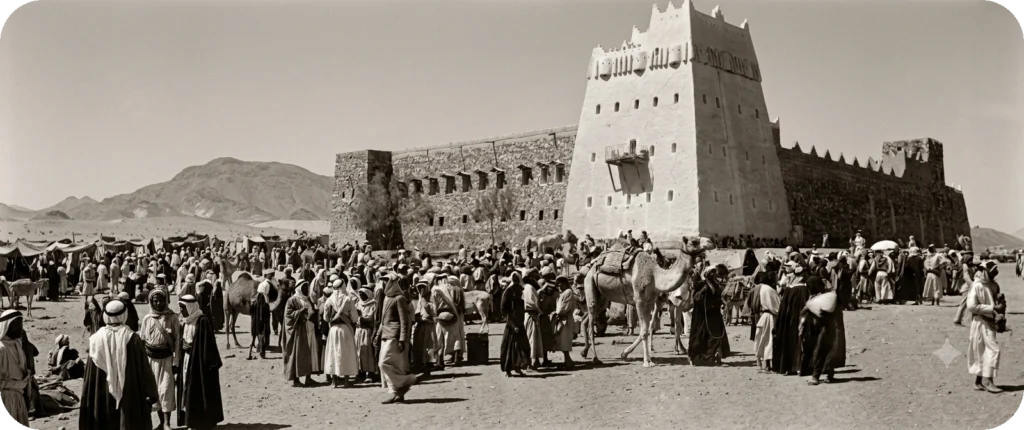
The history of the Kingdom of Saudi Arabia is deeply rooted in the Arabian Peninsula, the birthplace of Arab civilization and Islam. Covering most of the peninsula, Saudi Arabia has played a central role in the political, cultural, and religious development of the region for centuries. As the home of the Two Holy Mosques in Makkah and Madinah, it holds a unique position in the Islamic world.
The Origins of Diriyah
The foundations of the Saudi state can be traced back to 1446, when Mani’ bin Rabiah Al-Muraidi, the ancestor of the House of Saud, established the settlement of Diriyah. Located near present-day Riyadh, Diriyah gradually developed into an important political and economic center that laid the groundwork for the future Saudi state.

The First Saudi State (1727–1818)
In 1727, Imam Muhammad bin Saud transformed Diriyah into the capital of the First Saudi State. His leadership marked the beginning of a unified political entity that expanded across much of the Arabian Peninsula. The state promoted stability, trade, and governance, becoming a significant regional power before coming to an end in 1818.
The Second Saudi State (1824–1891)
Following the fall of the First Saudi State, Imam Turki bin Abdullah bin Muhammad bin Saud restored Saudi rule by founding the Second Saudi State in 1824. With Riyadh as its capital, the state reestablished political authority in central Arabia and continued the legacy of the House of Saud until 1891.
The Reunification of Saudi Arabia
The modern Kingdom began to take shape when King Abdulaziz bin Abdulrahman Al Saud recaptured Riyadh on January 15, 1902. This historic victory marked the beginning of a long campaign to reunify the Arabian Peninsula under one leadership.
Over the following three decades, King Abdulaziz unified the major regions of Najd, Al-Ahsa, Asir, and the Hejaz, creating a single, stable nation.
The Founding of the Kingdom
On September 23, 1932, King Abdulaziz officially proclaimed the unification of the country under the name Kingdom of Saudi Arabia. This date is celebrated every year as the Saudi National Day, commemorating the birth of the modern Saudi state.
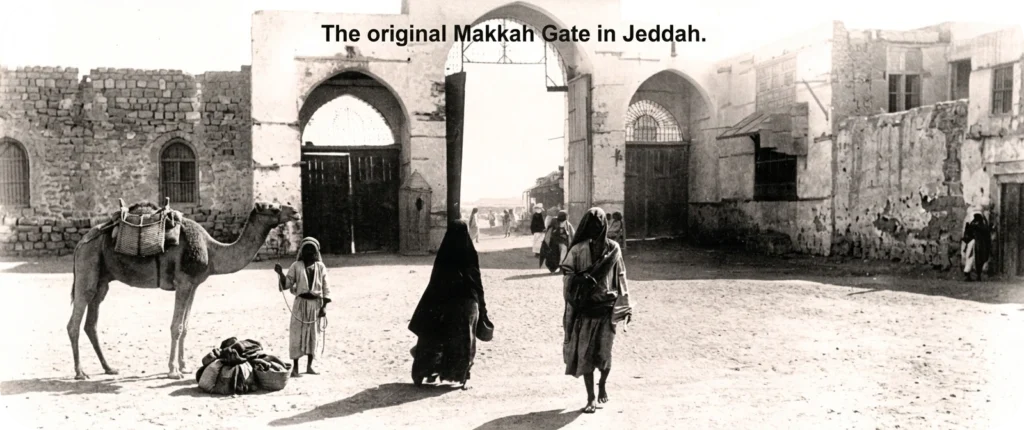
A Nation of Global Importance
Since its founding, Saudi Arabia has grown into one of the Middle East’s leading nations. The discovery of oil in 1938 transformed its economy, enabling rapid development in infrastructure, education, healthcare, and industry.
Today, the Kingdom continues to play a vital role in the global economy while serving millions of Muslims who visit Makkah and Madinah each year for Hajj and Umrah. Through Saudi Vision 2030, the Kingdom is diversifying its economy, promoting innovation, expanding tourism, and preserving its rich cultural and historical heritage for future generations.
Conclusion
The history of the Kingdom of Saudi Arabia is a remarkable story of unity, resilience, and progress. From the founding of Diriyah in the 15th century to the establishment of the modern Kingdom in 1932, Saudi Arabia has evolved into a nation of global significance while remaining the spiritual heart of the Islamic world.
Unification of Saudi Arabia
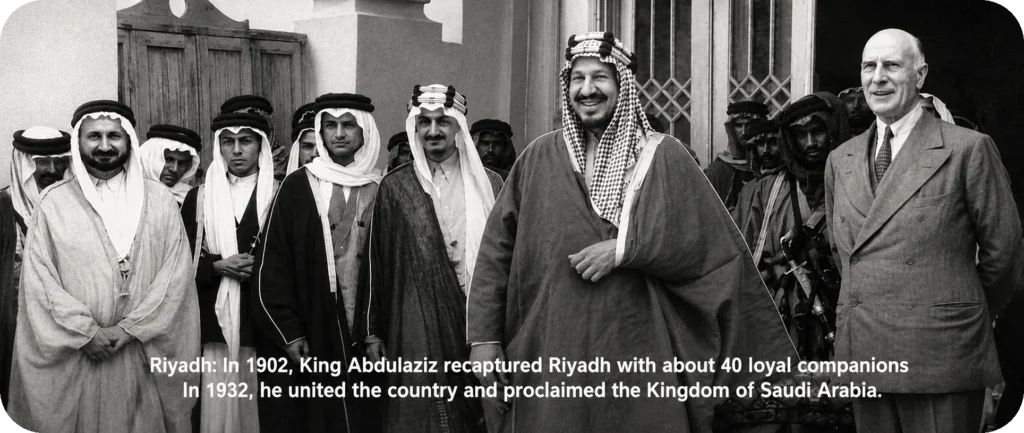
The unification of Saudi Arabia was one of the most significant events in the history of the Arabian Peninsula. The process took more than 30 years, beginning with the recapture of Riyadh on January 15, 1902, by King Abdulaziz bin Abdulrahman Al Saud. Through determination, strategic leadership, and diplomacy, he gradually united the regions of Najd, Al-Ahsa, Asir, and the Hejaz, laying the foundation for the modern Saudi state.
The Birth of the Kingdom
After successfully unifying the country’s regions, King Abdulaziz issued a royal decree on September 19, 1932, declaring the establishment of the Kingdom of Saudi Arabia. The decree came into effect on September 23, 1932, officially marking the birth of the modern Kingdom. This historic date is celebrated every year as Saudi National Day, honoring the nation’s unity and independence.
Titles of King Abdulaziz
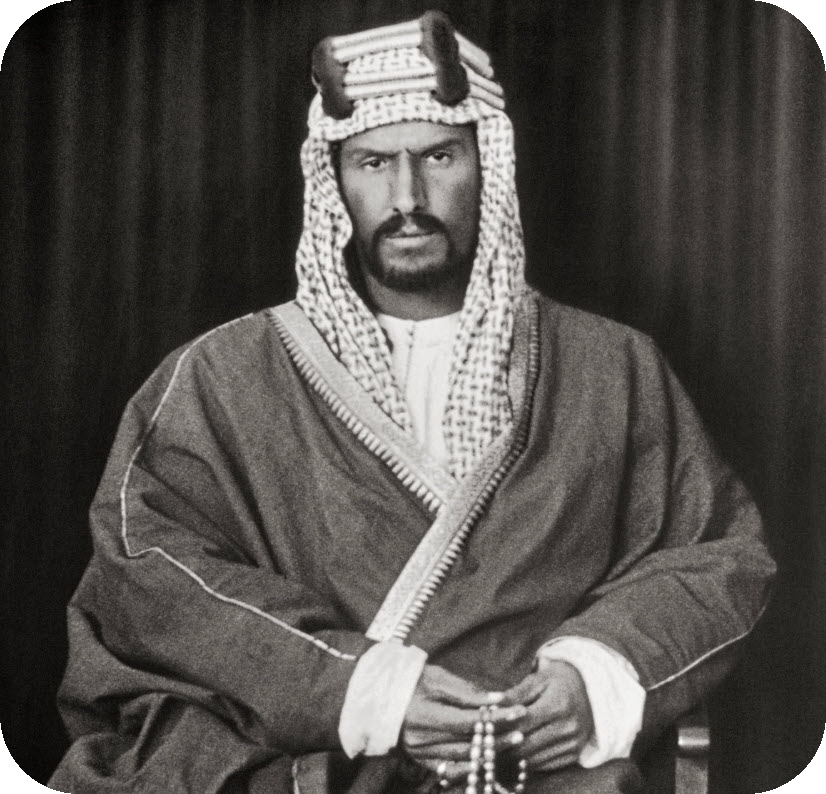
Before the Kingdom was officially established, King Abdulaziz held several distinguished titles throughout his unification campaign, reflecting the growth of his leadership and authority. These included:
- Imam
- Prince of Najd
- Leader of the Tribes of Najd
- Sultan of Najd and Its Dependencies
- King of the Hejaz and Najd and Its Dependencies
Following the proclamation of the Kingdom in 1932, he became officially known as the King of the Kingdom of Saudi Arabia.
Building a Modern Nation
Following unification, Saudi Arabia entered a new era of nation-building. The government prioritized:
- Expanding education and literacy.
- Strengthening national unity and security.
- Developing infrastructure and public services.
- Establishing modern government institutions.
- Encouraging economic growth and international cooperation.
The discovery of oil in 1938 transformed the Kingdom’s economy, making Saudi Arabia one of the world’s leading energy producers. Oil revenues accelerated development in transportation, healthcare, education, communications, and industry, contributing to the country’s rapid modernization.
Saudi National Day
Every year on September 23, Saudi Arabia celebrates Saudi National Day, commemorating the official unification of the Kingdom in 1932. The occasion is marked by national celebrations, cultural events, fireworks, and displays of pride in the Kingdom’s history, achievements, and identity.
Saudi Founding Day
In addition to National Day, Saudi Arabia also celebrates Founding Day on February 22 each year. Officially established by a royal decree issued on January 27, 2022, Founding Day commemorates the establishment of the First Saudi State by Imam Muhammad bin Saud in 1727.
This national occasion honors more than three centuries of Saudi history, recognizing the enduring relationship between the Saudi leadership and its people, as well as the Kingdom’s rich political, cultural, and historical heritage.

Legacy of Unification
The unification of Saudi Arabia transformed the Arabian Peninsula into a stable and unified nation. Under the leadership of King Abdulaziz and his successors, the Kingdom has become a leading regional and global power, serving as the home of the Two Holy Mosques, the spiritual center for Muslims worldwide, and a key contributor to international economic and diplomatic affairs.
Formation of Laws and Government Institutions in Saudi Arabia
Following the unification of the Kingdom, King Abdulaziz bin Abdulrahman Al Saud focused on building a modern government founded on Islamic principles, justice, and effective administration. The establishment of government institutions and legal frameworks played a vital role in strengthening national unity, maintaining security, and supporting the Kingdom’s long-term development.
Establishing Government Institutions
During the early years of the Kingdom, several key administrative and legal bodies were created to organize state affairs and improve governance. These included:
- The Council of Representatives
- The Shura Council
- Provincial Administration
- The Supreme Judicial Council
- Sharia Courts
These institutions formed the foundation of Saudi Arabia’s legal and administrative system, ensuring that governance was carried out in accordance with Islamic Sharia while promoting justice, accountability, and public service.

Formation of Government Ministries
To manage the growing needs of the nation, King Abdulaziz established several ministries responsible for essential public services and national administration, including:
- Ministry of Foreign Affairs
- Ministry of Finance
- Ministry of Defense
- Ministry of Interior
- Ministry of Transportation
- Ministry of Health
These ministries helped organize government operations, strengthen public administration, and support the Kingdom’s modernization.

Financial and Economic Development
One of the most significant milestones was the establishment of the Saudi Arabian Monetary Authority (SAMA), now known as the Saudi Central Bank (SAMA). The institution was created to regulate the Kingdom’s monetary system, oversee banking operations, and maintain financial stability.
The formation of strong financial institutions laid the foundation for Saudi Arabia’s economic growth, particularly following the discovery of oil in 1938.
Serving Hajj and Umrah Pilgrims
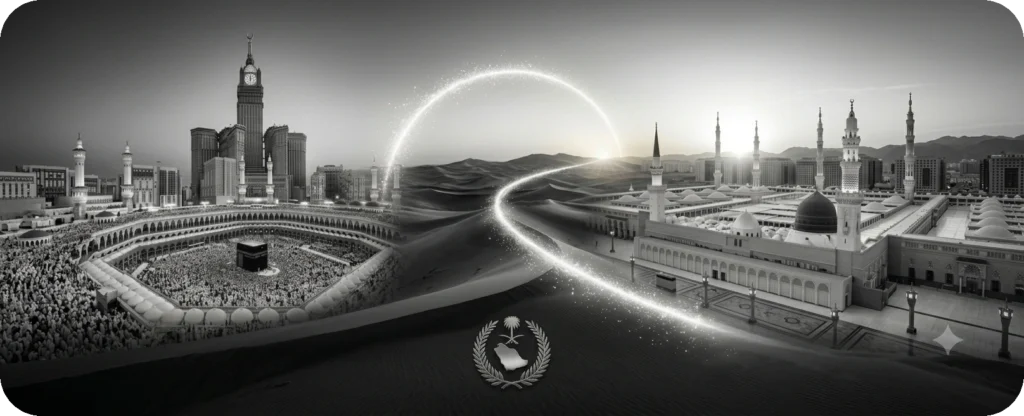
Recognizing its responsibility as the home of the Two Holy Mosques, Saudi Arabia invested heavily in improving services for pilgrims. Major initiatives included:
- Expansion of the Grand Mosque (Masjid al-Haram) and Al-Masjid an-Nabawi.
- Establishment of the Directorate General of Hajj.
- Development of roads and transportation networks.
- Construction of health facilities and quarantine centers.
- Enhancement of services to ensure the safety and comfort of millions of Hajj and Umrah pilgrims.
These efforts strengthened the Kingdom’s role in serving Muslims from around the world.
Establishment of the Council of Ministers
In the later years of King Abdulaziz’s reign, the Council of Ministers was established to coordinate government policy, oversee national development, and improve administrative efficiency. It became one of the Kingdom’s highest executive authorities and continues to play a central role in Saudi governance.
Community Development and National Unity
The government also worked to improve the quality of life for citizens by encouraging the settlement of nomadic communities into newly established villages known as Hajr. These settlements promoted:
- Sustainable agriculture and irrigation.
- Trade and economic activity.
- Education and healthcare.
- Stable housing and community development.
Many of these settlements later developed into thriving towns and cities, contributing to the Kingdom’s social and economic progress.
A Legacy of Stability and Progress
The early development of Saudi Arabia was marked by strong national unity and the dedication of its people. Many citizens voluntarily joined the armed forces and supported the unification efforts led by King Abdulaziz, sharing a common vision of building a secure, peaceful, and prosperous nation.
Today, these early legal, administrative, and governmental foundations continue to shape the Kingdom of Saudi Arabia, supporting its ongoing development under Saudi Vision 2030 while preserving its Islamic values, national identity, and commitment to serving the Two Holy Mosques.
The Prosperity of Saudi Arabia
Since its founding in 1932, the Kingdom of Saudi Arabia has experienced remarkable growth in education, governance, economic development, and international relations. Under the leadership of King Abdulaziz bin Abdulrahman Al Saud, the Kingdom laid the foundations for a modern nation while preserving its Islamic identity and cultural heritage.
Advancing Education and Culture
One of King Abdulaziz’s earliest priorities was the promotion of education and the spread of knowledge. The government encouraged learning by:
- Establishing schools across the Kingdom.
- Developing educational laws and regulations.
- Opening public libraries.
- Supporting cultural and literary activities.
- Promoting the publication of books and educational materials.
These initiatives helped improve literacy, strengthen national identity, and prepare future generations to contribute to the Kingdom’s development.
Political Stability and Independence
Saudi Arabia maintained its political independence while avoiding involvement in many international conflicts and world wars that affected other regions. Despite the challenging political environment of the Middle East during the early 20th century, King Abdulaziz successfully strengthened the foundations of the Saudi state through stability, diplomacy, and effective governance.

Economic Growth and Natural Resources
The Kingdom’s economy experienced rapid transformation following the discovery of oil in 1938, which became a major driver of national prosperity. Alongside its abundant mineral resources, the energy sector enabled Saudi Arabia to invest in:
- Modern infrastructure.
- Healthcare and public services.
- Transportation networks.
- Industrial development.
- Education and scientific research.
International trade expanded significantly, strengthening economic partnerships with countries around the world and establishing Saudi Arabia as one of the world’s leading energy producers.
Foreign Relations and Global Cooperation
Saudi Arabia has consistently played an important role in regional and international affairs. The Kingdom has supported the interests of Arab and Muslim nations while building strong diplomatic and economic relationships across the globe.
In 1945, Saudi Arabia became one of the founding members of the United Nations (UN) and also participated in establishing the League of Arab States (Arab League). These milestones reflected the Kingdom’s commitment to international cooperation, peace, and regional stability.
Balancing Tradition and Modern Development
Throughout its development, Saudi Arabia has successfully balanced modernization with the preservation of its rich cultural and Islamic heritage. The government has invested in:
- Enhancing security across cities, towns, and rural communities.
- Protecting citizens and their property.
- Preserving historical landmarks and traditional architecture.
- Developing modern urban centers while respecting local customs and values.
This balanced approach has allowed the Kingdom to embrace technological progress without losing its historical and cultural identity.
Saudi Arabia Today
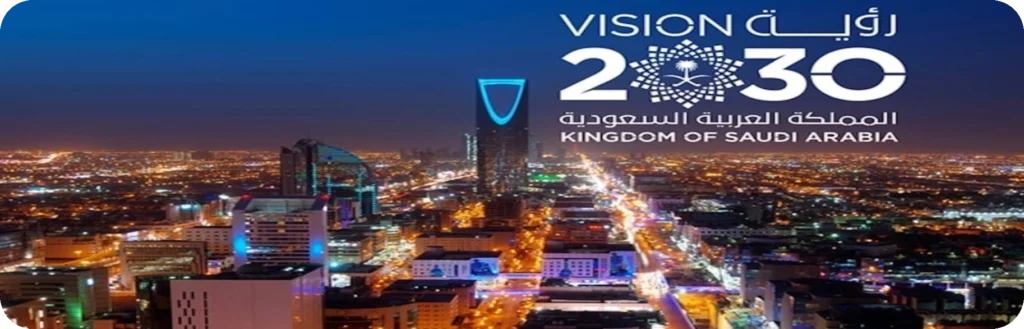
Today, Saudi Arabia is one of the Middle East’s largest economies and an influential global nation. Guided by Saudi Vision 2030, the Kingdom continues to diversify its economy, encourage innovation, expand tourism, protect its heritage, and improve the quality of life for its citizens.
As the Custodian of the Two Holy Mosques, Saudi Arabia also remains dedicated to serving millions of Muslims who visit Makkah and Madinah each year for Hajj and Umrah, reinforcing its unique position as the spiritual heart of the Islamic world.
Conclusion
The prosperity of Saudi Arabia is the result of visionary leadership, strong national unity, and continuous investment in education, economic development, and international cooperation. From its early years under King Abdulaziz to its ambitious future under Vision 2030, the Kingdom continues to build a modern, diversified, and globally connected nation while preserving its Islamic values and rich cultural heritage.
The Death of the Founding King Abdulaziz
King Abdulaziz bin Abdulrahman Al Saud, the founder of the modern Kingdom of Saudi Arabia, passed away on November 9, 1953 (2 Rabi’ al-Awwal 1373 AH). His death marked the end of an extraordinary era of leadership that transformed the Arabian Peninsula into a unified, stable, and independent nation.
During more than five decades of leadership, King Abdulaziz successfully unified the Kingdom’s diverse regions and cities under one government. His vision and determination led to the official establishment of the Kingdom of Saudi Arabia on September 23, 1932, creating the foundation of the modern Saudi state.
King Abdulaziz also introduced the Kingdom’s administrative and legal systems, established key government institutions and ministries, and strengthened governance based on the principles of Islamic Sharia. Under his leadership, Saudi Arabia adopted its national flag, state emblem, and modern administrative structure while promoting education, justice, security, and economic development.
One of the most significant milestones of his reign was the discovery of oil in 1938, which laid the foundation for Saudi Arabia’s future economic prosperity and global influence.
Following his passing, his eldest surviving son, King Saud bin Abdulaziz Al Saud, succeeded him as the second King of Saudi Arabia, continuing the Kingdom’s path of development and modernization.
Legacy of King Abdulaziz
King Abdulaziz is remembered as the architect of modern Saudi Arabia. His achievements include:
- Unifying the Arabian Peninsula under one nation.
- Establishing the Kingdom of Saudi Arabia in 1932.
- Creating modern government institutions and legal frameworks.
- Strengthening national security and political stability.
- Promoting education and public services.
- Laying the foundations for economic growth following the discovery of oil.
- Preserving the Kingdom’s Islamic identity while building a modern state.
Today, King Abdulaziz’s legacy continues to shape Saudi Arabia’s development, and he is widely honored as the visionary leader who laid the foundations for one of the world’s most influential nations.
During more than five decades of leadership, King Abdulaziz successfully unified the Kingdom’s diverse regions and cities under one government. His vision and determination led to the official establishment of the Kingdom of Saudi Arabia on September 23, 1932, creating the foundation of the modern Saudi state.
Rulers of Saudi Arabia (1932–Present)
Since the establishment of the Kingdom of Saudi Arabia on September 23, 1932, the country has been led by seven kings from the House of Saud. Each ruler has contributed to the Kingdom’s political stability, economic growth, and national development.
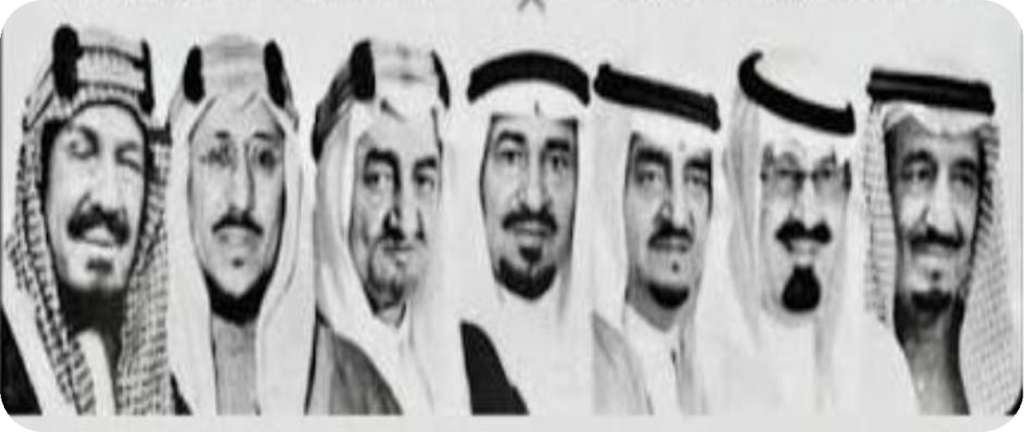
1. King Abdulaziz bin Abdulrahman Al Saud
Reign: September 23, 1932 – November 9, 1953
King Abdulaziz, also known as Ibn Saud, founded the modern Kingdom of Saudi Arabia after successfully unifying the Arabian Peninsula. He established the Kingdom’s government institutions, strengthened national unity, and laid the foundations for economic development following the discovery of oil.
2. King Saud bin Abdulaziz Al Saud
Reign: November 9, 1953 – November 2, 1964
King Saud focused on expanding education, healthcare, transportation, and public infrastructure. During his reign, numerous schools, hospitals, and government institutions were established to support the Kingdom’s growing population.
3. King Faisal bin Abdulaziz Al Saud
Reign: November 2, 1964 – March 25, 1975
King Faisal introduced major administrative and economic reforms, modernized the education system, strengthened Saudi Arabia’s international relations, and played a leading role in Arab and Islamic affairs.
4. King Khalid bin Abdulaziz Al Saud
Reign: March 25, 1975 – June 13, 1982
King Khalid oversaw a period of rapid economic growth driven by oil revenues. His reign witnessed significant expansion in infrastructure, public services, housing, healthcare, and education.
5. King Fahd bin Abdulaziz Al Saud
Reign: June 13, 1982 – August 1, 2005
King Fahd adopted the title Custodian of the Two Holy Mosques in 1986. His reign was marked by major infrastructure projects, expansion of the Grand Mosque in Makkah and the Prophet’s Mosque in Madinah, and continued modernization across the Kingdom.
6. King Abdullah bin Abdulaziz Al Saud
Reign: August 1, 2005 – January 23, 2015
King Abdullah introduced reforms in education, healthcare, and economic development. His leadership emphasized investment in higher education, scientific research, women’s participation, and large-scale infrastructure projects.
7. King Salman bin Abdulaziz Al Saud
Reign: January 23, 2015 – Present
King Salman bin Abdulaziz Al Saud is the current Custodian of the Two Holy Mosques. Under his leadership, Saudi Arabia has launched Saudi Vision 2030, an ambitious national strategy aimed at diversifying the economy, expanding tourism, encouraging innovation, preserving cultural heritage, and improving quality of life. Working alongside Crown Prince Mohammed bin Salman, the Kingdom continues to implement major economic, social, and technological reforms.
Timeline of the Kings of Saudi Arabia
| King | Reign |
|---|---|
| King Abdulaziz bin Abdulrahman Al Saud | 23 September 1932 – 9 November 1953 |
| King Saud bin Abdulaziz Al Saud | 9 November 1953 – 2 November 1964 |
| King Faisal bin Abdulaziz Al Saud | 2 November 1964 – 25 March 1975 |
| King Khalid bin Abdulaziz Al Saud | 25 March 1975 – 13 June 1982 |
| King Fahd bin Abdulaziz Al Saud | 13 June 1982 – 1 August 2005 |
| King Abdullah bin Abdulaziz Al Saud | 1 August 2005 – 23 January 2015 |
| King Salman bin Abdulaziz Al Saud | 23 January 2015 – Present |
Conclusion
The rulers of Saudi Arabia have guided the Kingdom through decades of transformation, from its founding in 1932 to becoming one of the world’s leading economies and the spiritual center of Islam. Their leadership has contributed to national unity, economic prosperity, infrastructure development, and the continued service of the Two Holy Mosques in Makkah and Madinah.
A Nation Built on Unity and Faith
“Indeed, this nation of yours is one nation, and I am your Lord, so worship Me.”
إِنَّ هَٰذِهِ أُمَّتُكُمْ أُمَّةً وَاحِدَةً وَأَنَا رَبُّكُمْ فَاعْبُدُونِ
— Qur’an 21:92

The history of the Kingdom of Saudi Arabia is a remarkable journey of unity, vision, and progress. From the establishment of Diriyah in 1446 and the founding of the First Saudi State in 1727 to the unification of the Kingdom by King Abdulaziz in 1932, Saudi Arabia has evolved into a nation of global significance.
Today, the Kingdom stands as a leading force in the Arab and Islamic worlds, combining its rich historical heritage with ambitious development through Saudi Vision 2030. It continues to strengthen its economy, preserve its cultural identity, and promote peace, innovation, and sustainable growth.
Above all, Saudi Arabia holds a unique place in the hearts of Muslims worldwide as the guardian of the Two Holy Mosques—Al-Masjid al-Haram in Makkah and Al-Masjid an-Nabawi in Madinah. Every year, millions of pilgrims travel to these sacred cities to perform Hajj and Umrah, making the Kingdom not only a center of faith but also a symbol of unity, hospitality, and service to the global Muslim community.
As Saudi Arabia continues its journey into the future, it remains firmly rooted in its Islamic values, proud history, and enduring commitment to serving humanity while building a prosperous and sustainable nation for generations to come.
About This Article
This article offers a concise overview of the history of the Kingdom of Saudi Arabia, covering its origins, unification, development, and leadership. It has been carefully written in original language using publicly available historical information to provide readers with an informative and engaging introduction to the Kingdom’s rich heritage.
For academic research or official historical records, readers are encouraged to consult authoritative Saudi government publications and recognized historical references.